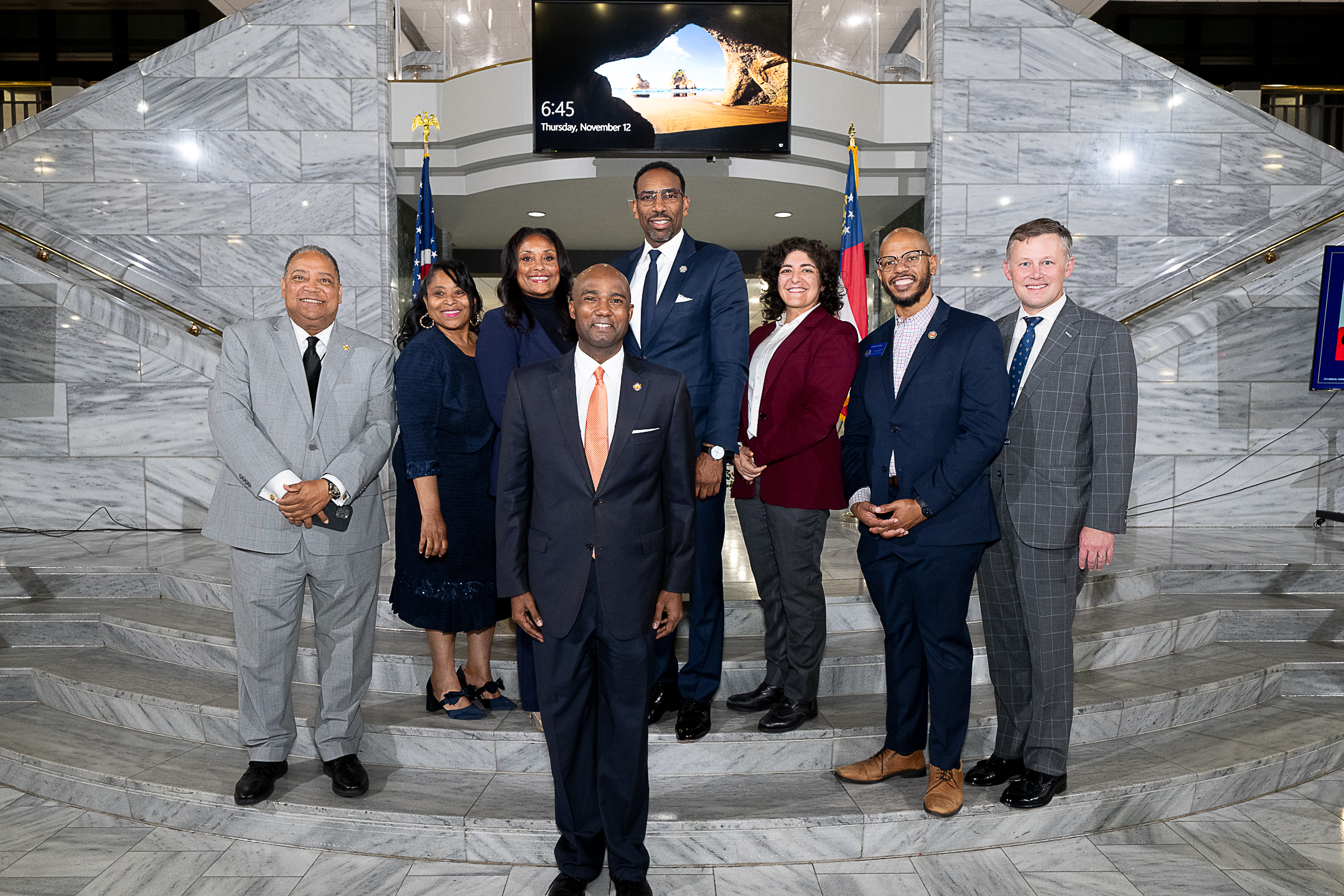
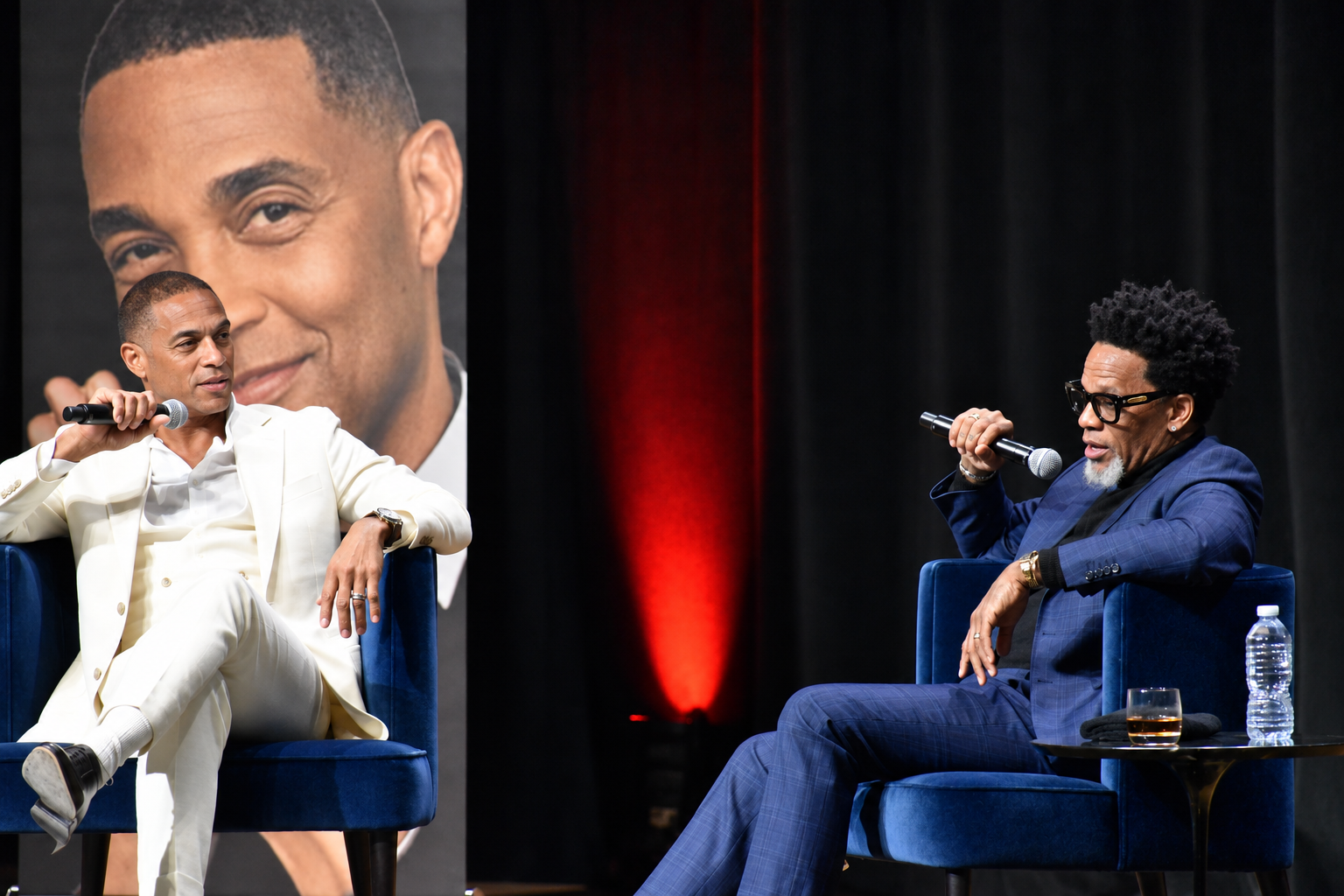
Fulton County’s FACEs of Fashion 2026 brought designers, models, students and artists together for an evening focused on creativity, identity and opportunity. Presented under the theme The Art of Influence, the fourth annual show drew hundreds of community members to celebrate fashion, art and culture. The county’s recap described young people sharing the runway with other designers and models, giving audiences a chance to see the work of people at different stages of their creative development.
The September 27 event carried an idea that reached beyond individual collections. Fulton County Arts & Culture framed the theme around the ways clothing, images and artistic expression shape culture. Director David Manuel described the show as a place to recognize creative influence and connect communities through the arts. His emphasis on how people express who they are gave the program a clear purpose: to consider the meaning behind the work as closely as its appearance.
The announced setting was Skillshot Media in Atlanta, with the evening forming part of FACE’s 10 Days of Fashion during the initiative’s fifth year. The program named Beyond the Gates actors Daphnée Duplaix and Keith D. Robinson as hosts. Its designer lineup included Octavius Terry, Cleah Murray, Bramer Leon Stevens, Deondre Cumberbatch, Alex Holliman, Meher Stevie + Bree Reid and Sehar Hammad, alongside Maria Olivares of Savannah College of Art and Design, Aja Kink of Clark Atlanta University and Roderick McNeil of Le Fashion Lab.

Recognition extended across the disciplines represented by FACE. The announced honorees were Jamie Tankersley of Neiman Marcus Atlanta for Fashion, Henry Cheng for Art, Jo Ann Haden-Miller for Culture and B.J. Arnett of Clark Atlanta University for Education. Songwriter and producer Dallas Austin was selected for the 2026 Icon Award. The program also included the Sinfo-Nia Youth Orchestra of Metropolitan Atlanta and visual artists Sehar, Qinza, Dutchess Lattimore and Kasia Camon. Together, these selections connected fashion with music, visual expression, education and the institutions supporting creative work.
The participation of children gave the evening particular meaning. In the county’s subsequent coverage, Fulton County Probate Court Chief Judge Kenya Johnson reflected on seeing young designers alongside other artists and reported that the youngest youth designer was eight years old. That detail brought the education component into focus. A child’s place in a professional presentation can make the path from an early interest to a serious creative practice easier to imagine.
Student participation was part of the plan through I’m Sew Fantastic, an Atlanta nonprofit sewing program. Its four-week summer camp introduces young people to fashion design and garment construction, with lessons involving textiles, technology and upcycling. Participants develop projects from initial ideas through completion. Those skills provide useful context for a student runway presentation, where an audience sees the result of decisions about materials, construction and design.
There is a practical lesson in that process. Turning an idea into something another person can wear requires patience, revision and attention to detail. Making a garment also gives students a way to evaluate their choices directly. They can see how fabric behaves, where an adjustment is needed and whether a design works as intended. Public presentation adds another step, asking young creators to share their decisions and stand behind their work.

The preparation for FACEs of Fashion also showed how participation extends beyond designing clothes. According to the county’s June report, more than 40 models attended the first casting call, with many coming from Fulton County and Atlanta. Manuel discussed opportunities for models to showcase their abilities, work and get paid. He also recognized people working behind cameras and in production, making clear that the show depended on several kinds of creative labor.
That broader view matters when considering what a local fashion event can contribute. A runway presentation requires coordination among people with different responsibilities. For someone beginning a career, taking part can offer experience with preparation, deadlines and collaboration. For audiences, recognizing that work changes the conversation about fashion. The finished look becomes one part of a larger process involving people whose skills are essential even when they remain outside the spotlight.
The Art of Influence offered a useful way to think about that shared effort. Influence can be found in a designer’s point of view, a teacher’s guidance or the decision to give an unfamiliar name a place in a program. It also raises a practical question for any creative community: who gets the opportunity to participate, learn and be seen? A fashion event becomes more meaningful when its structure makes room for those possibilities.
FACEs of Fashion 2026 gave residents an opportunity to see that work and the people pursuing it. The next measure of its influence will be what participants are able to do afterward: develop another collection, continue their design training, secure paid work or help someone else get started.


ATL+ is your must-read magazine for all the latest news and pop culture. Since August 2020, we’ve provided readers a chance to read about topics that interest them the most. From tourism to politics, our articles were written by a talented team of writers to help you stay in the loop about the latest trends and news.